

Privacy made simple.
AI made responsible.
Our AI governance consulting and risk advisory practice helps you design, deploy, and manage AI responsibly, aligned with global standards and local regulations.

Why Work With Us As Your
AI Governance Consultants
Most AI governance efforts fail because policies are created in isolation, decision rights are unclear, and enforcement weakens under pressure. Our approach anchors governance in real operational workflows and decision-making, aligning with how AI is actually used, managed, and scaled across the business.
Our Services
AI STRATEGY & GOVERNANCE DESIGN
A structured governance foundation that defines how AI decisions are made, who owns them, and how risk is managed across your organization. Built to support AI adoption and scalability without introducing ambiguity, fragmentation, or unmanaged exposure.
-
A clear governance structure guiding all AI initiatives
An AI governance maturity assessment to identify gaps and blind spots
Custom governance frameworks including policies, principles, and standards
Defined roles, responsibilities, and escalation paths across teams
An AI risk classification model tailored to your industry and business
A phased AI governance roadmap leadership can approve and execute
Ongoing advisory support to simplify complex governance decisions
-
Faster AI adoption without loss of control
Clear accountability before problems arise
Reduced risk of reactive governance driven by incidents or regulators
Alignment between AI investments and business objectives
Readiness for emerging AI regulation without last-minute disruption (Bill C-27, EU AI Act, sector-specific mandates)
AI RISK ASSESSMENT & IMPACT ANALYSIS
A comprehensive evaluation by our AI governance consulting & risk advisory team to assess how AI systems may create legal, ethical, operational, or reputational exposure. Focused on identifying material risk early and documenting decisions in a defensible way.
-
AI impact assessment (AIIA) reports aligned to regulatory expectations
Algorithm Bias and fairness evaluations using recognized standards (NIST AI RMF and ISO/IEC42001)
Third-party AI vendor risk assessments
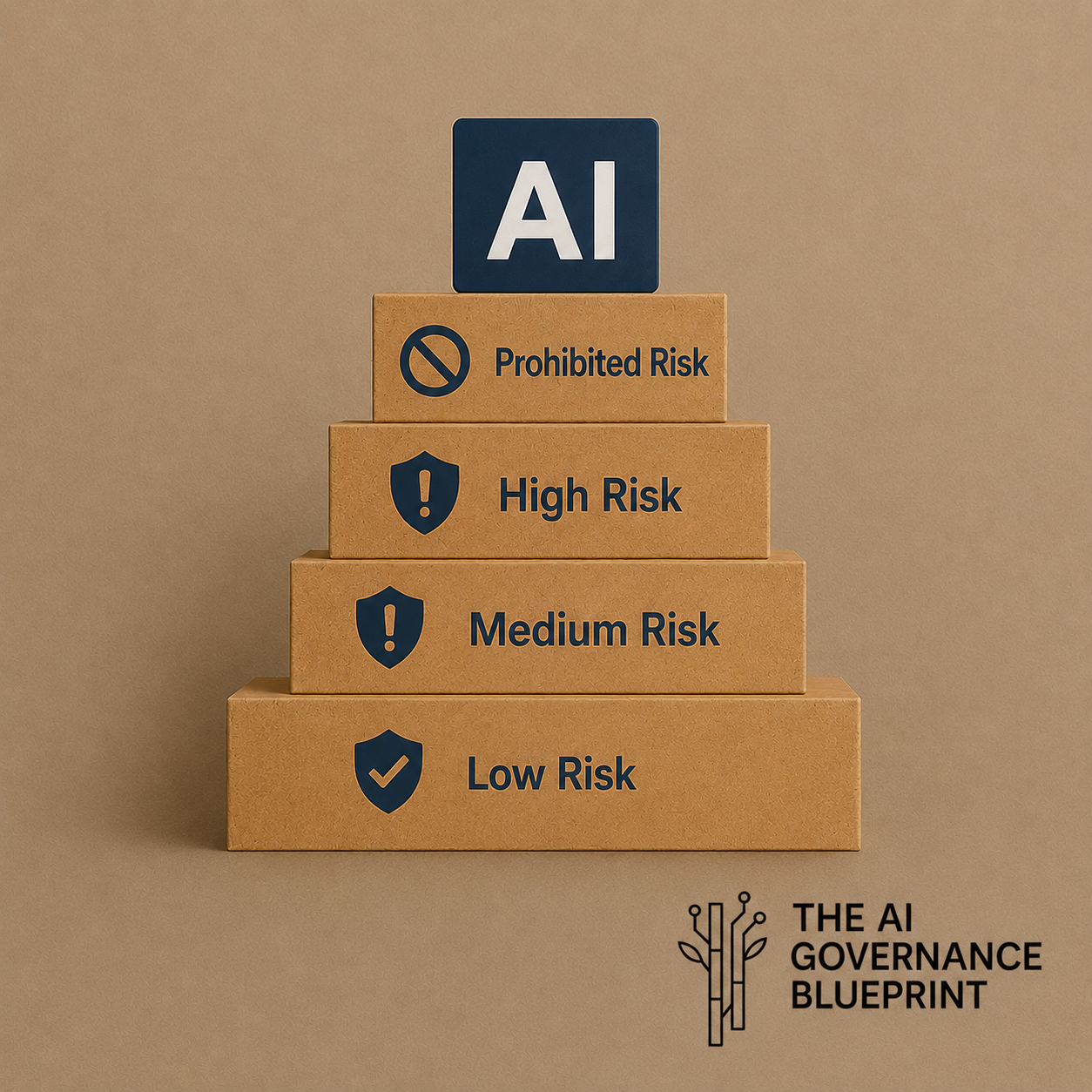
AI system tiered risk classification (high/medium/low risk) across the AI portfolio
Data quality and training data origin reviews
Explainability and transparency assessments
Human rights impact assessment for high-risk AI systemsxt goes here
-
Early identification of high-risk AI use cases for proactive risk mitigation
Defensible documentation supporting approval decisions
Faster deployment with fewer regulatory surprises
Increased confidence from regulators and stakeholders
Reduced liability through structured risk records
RESPONSIBLE AI IMPLEMENTATIONS
The translation of responsible AI governance from policy into daily operations, enabling product teams, procurement, and leadership to implement AI systems responsibly through clear processes, accountability, and practical decision-making.
-
Responsible AI controls integrated into existing workflows and product cycles
Practical tools including templates, checklists, and decision guides
AI model documentation and transparency protocols
Human oversight and review process design
Monitoring and performance evaluation tools and frameworks
AI incident response plans
Responsible AI controls integrated into existing workflows and product cycles
Practical tools including templates, checklists, and decision guides
AI model documentation and transparency protocols
Human oversight and review process design
Monitoring and performance evaluation tools and frameworks
AI incident response plans
-
Governance that fits your workflows, not disrupts them
Faster development without compliance shortcuts
Reduced friction between teams and leadership
Monitoring strategies that evolve with your AI
Preparedness when AI systems fail or underperform
Governance that fits your workflows, not disrupts them
Faster development without compliance shortcuts
Reduced friction between teams and leadership
Monitoring strategies that evolve with your AI
Preparedness when AI systems fail or underperform
AI COMPLIANCE & REGULATORY ADVISORY
Clear guidance on how emerging AI regulations apply to your organization, and how to respond in a structured, defensible way. Our AI governance consulting services provide curated, case-specific expert guidance on compliance obligations.
-
Regulatory mapping across Canada, the EU, the US, and regulated sectors
Canadian AI regulatory readiness assessment and compliance gap analysis
EU AI Act classification and conformity assessment preparation
Sector-specific regulatory compliance (OSFI E-23, Privacy compliance including PIPEDA, PHIPA
Regulatory submission preparation and stakeholder engagement support
Ongoing compliance monitoring and regulatory change management
-
Clear understanding of sector and case specific obligations across jurisdictions
Readiness before requirements become mandatory
Documentation that satisfies regulatory scrutiny
Market differentiation through verified compliance
Systematic adherence to regulatory standards
AI TRAINING & CAPABILITY BUILDING
Role-specific training that builds durable internal AI governance capability across leadership, legal, risk, technical, and operational teams, aligning skills, accountability, and decision-making to support consistent AI oversight and responsible use today.
-
Executive AI governance workshops (board and C-suite)
Training for legal, compliance, and risk teams
Developer training on AI-by-Design and responsible AI tools
Industry-specific AI scenario simulations and case studies
AI governance maturity assessment and upskilling roadmaps
-
Internal expertise reduces reliance on external support
Shared understanding of responsible AI across functions
Better-informed AI investment and risk decisions
Teams equipped to implement governance in practice
Training programs that grow with your AI adoption
AI CONTRACT & VENDOR MANAGEMENT
Protect your organization through structured oversight of third-party AI vendors to reduce legal, operational, and reputational exposure. Our AI Governance Consultants ensure contracts allocate risk appropriately and vendors meet responsible AI standards.
-
Vendor Risk Assessment
AI Vendor contract review and negotiation support (liability, privacy, model training, IP, data processing rights)
Vendor AI governance assessment and certification validation
AI service level agreement (SLA) design with performance and fairness metrics
AI Procurement Framework development with responsible AI criteria
Vendor AI audit rights and assurance report review
Exit and data deletion provisions for AI vendor relationships
-
Appropriate allocation of AI-related liabilities
Stronger vendor accountability through clear performance and ethical standards
Protection of proprietary data and IP
Consistent compliance across vendors
Maintained control when AI is outsourced
AI TRANSPARENCY & ETHICS ADVISORY SERVICES
A structured approach to embedding fairness, accountability, and transparency into AI systems, helping organizations ensure decisions are explainable, auditable, and ethically grounded for regulators, customers, employees, and internal stakeholders
-
Fairness, accountability, transparency (FAT) framework implementation
Training Data Validation Checkpoints
Independent ethics advisory access
Stakeholder impact assessments and engagement strategies
AI ethics and transparency training for executives, developers, and business units
Values-to-Requirements Traceability Matrix
Public AI transparency reporting and disclosure strategy
-
Clear and defensible AI explanations
Consistent handling of ethical uncertainty
Increased trust from regulators and the public
Reputational Protection through proactive management of bias/discrimination and ethical risks
More inclusive and responsible AI outcomes
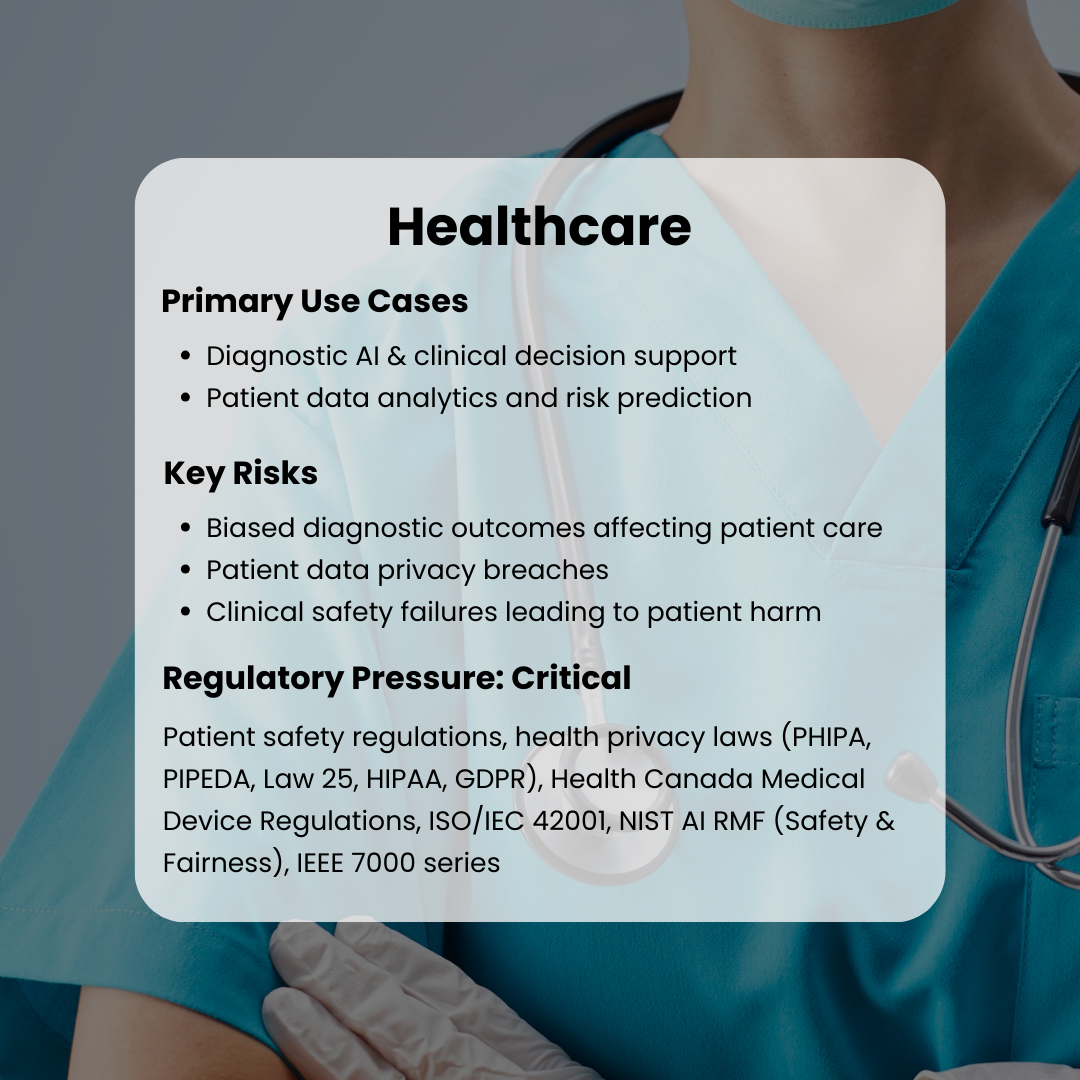
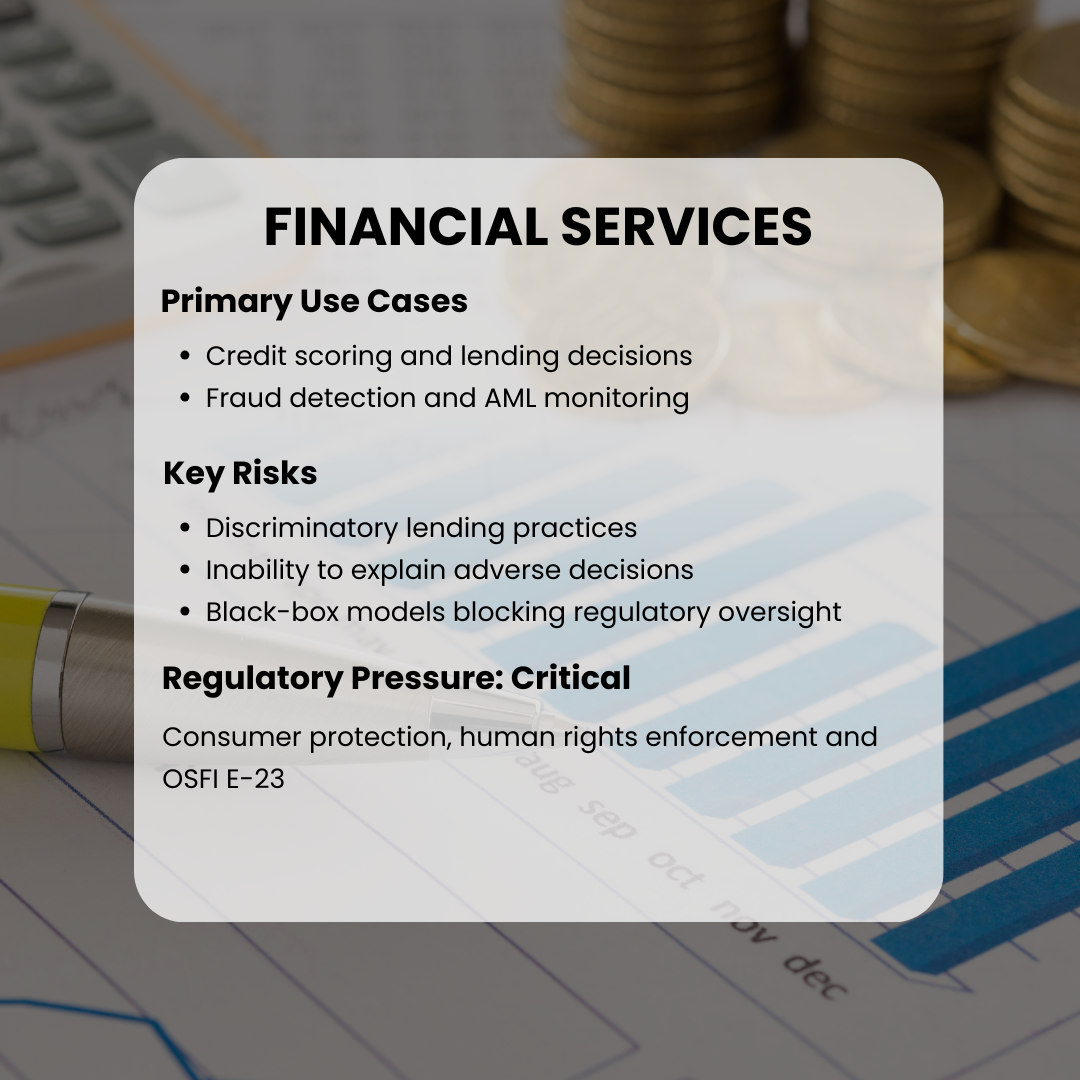
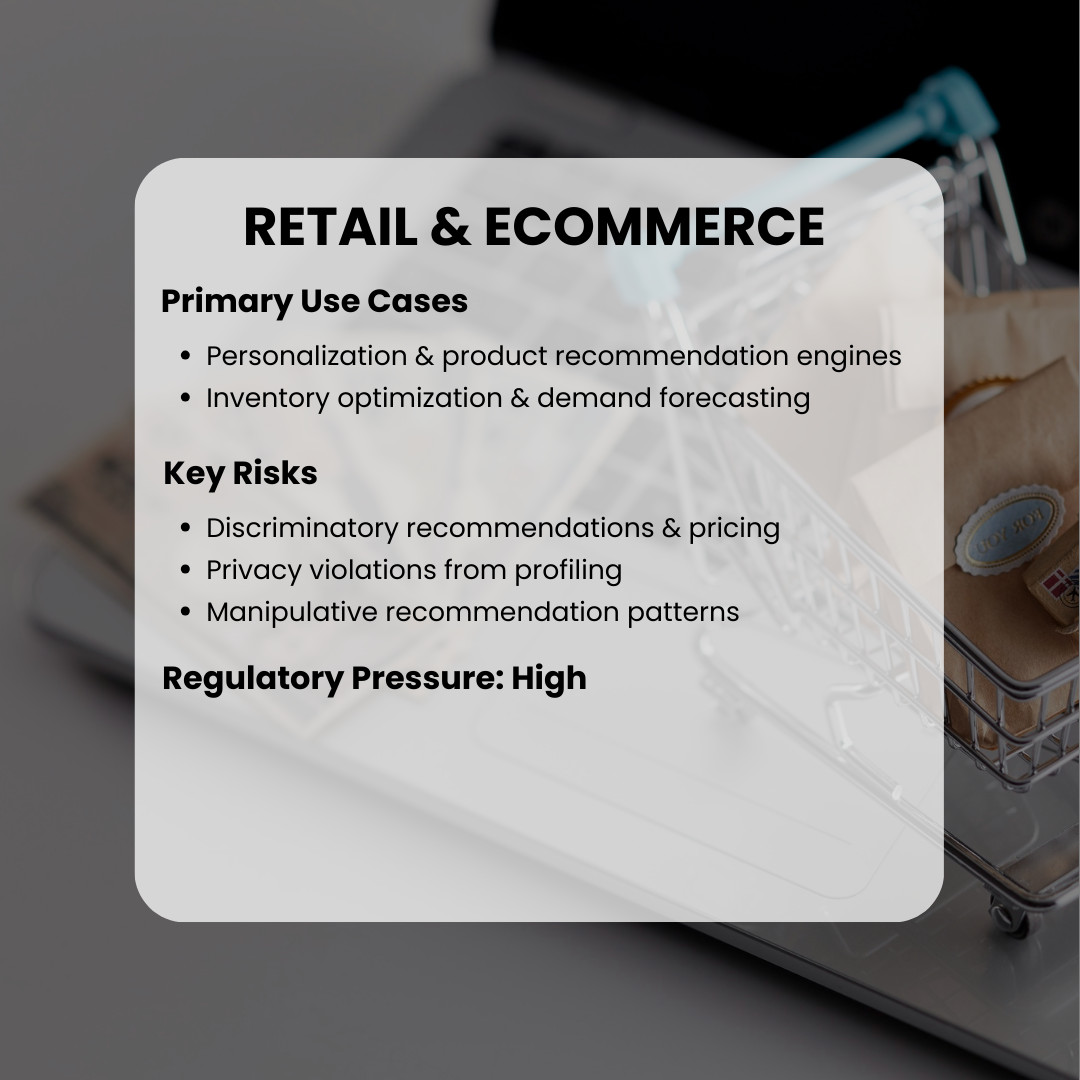
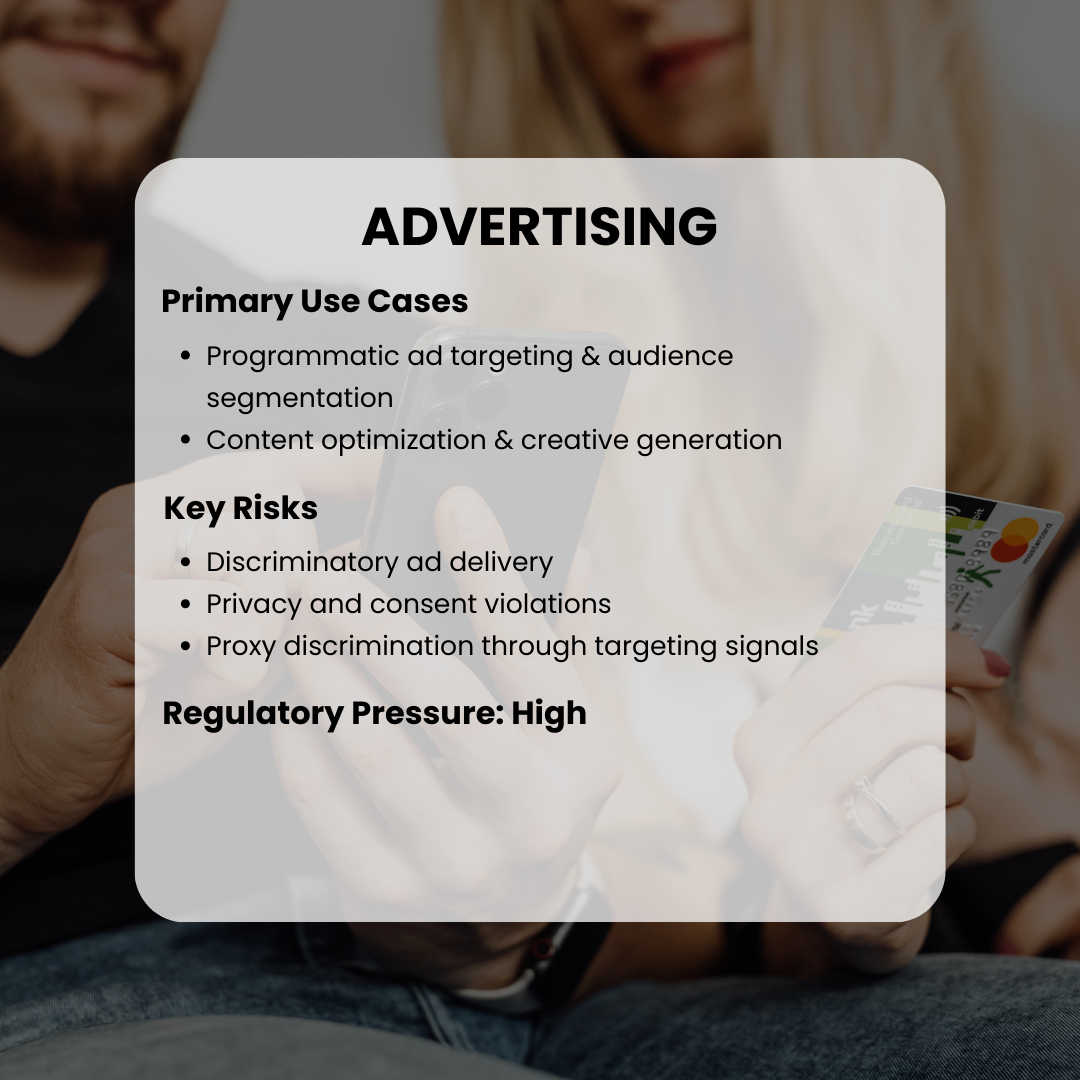
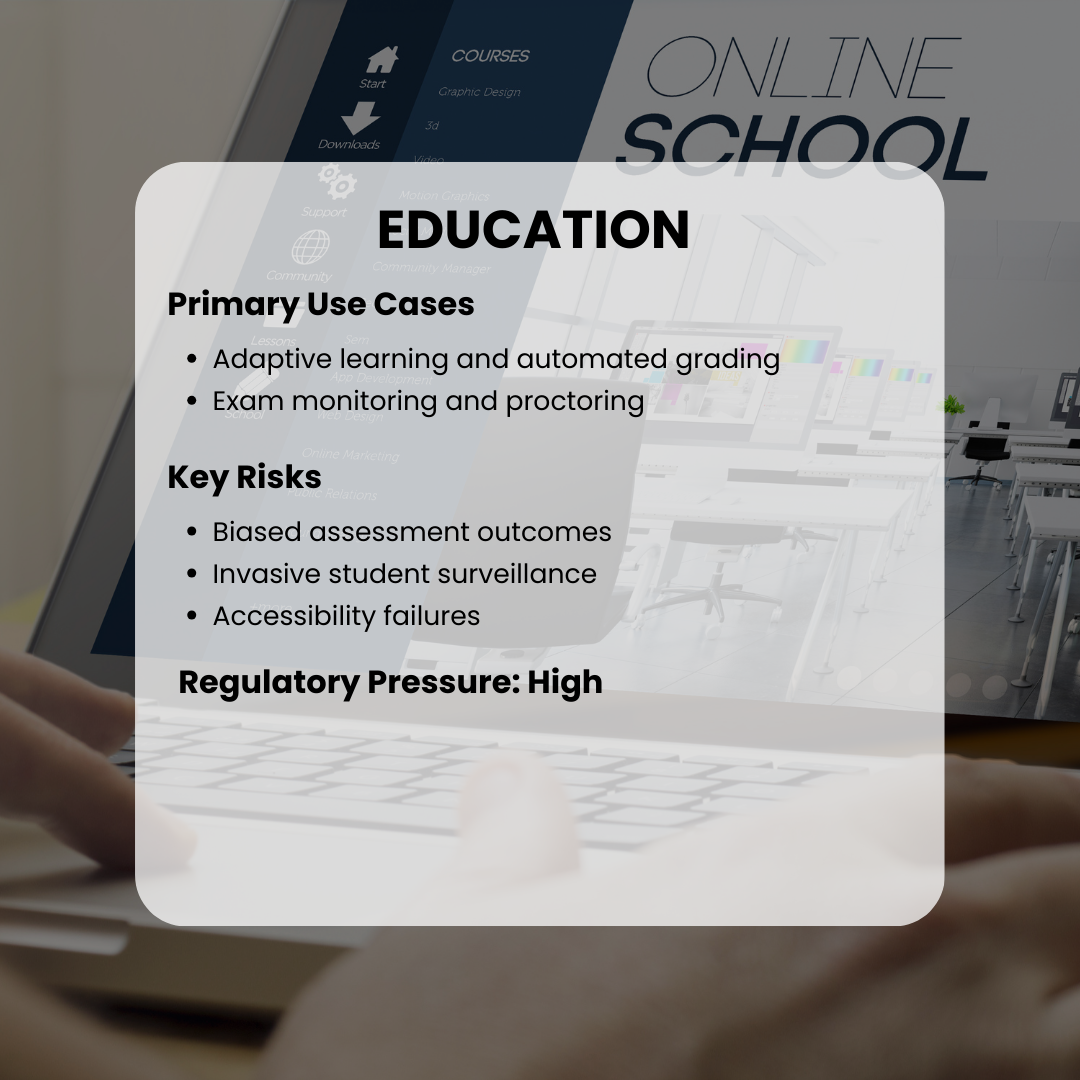
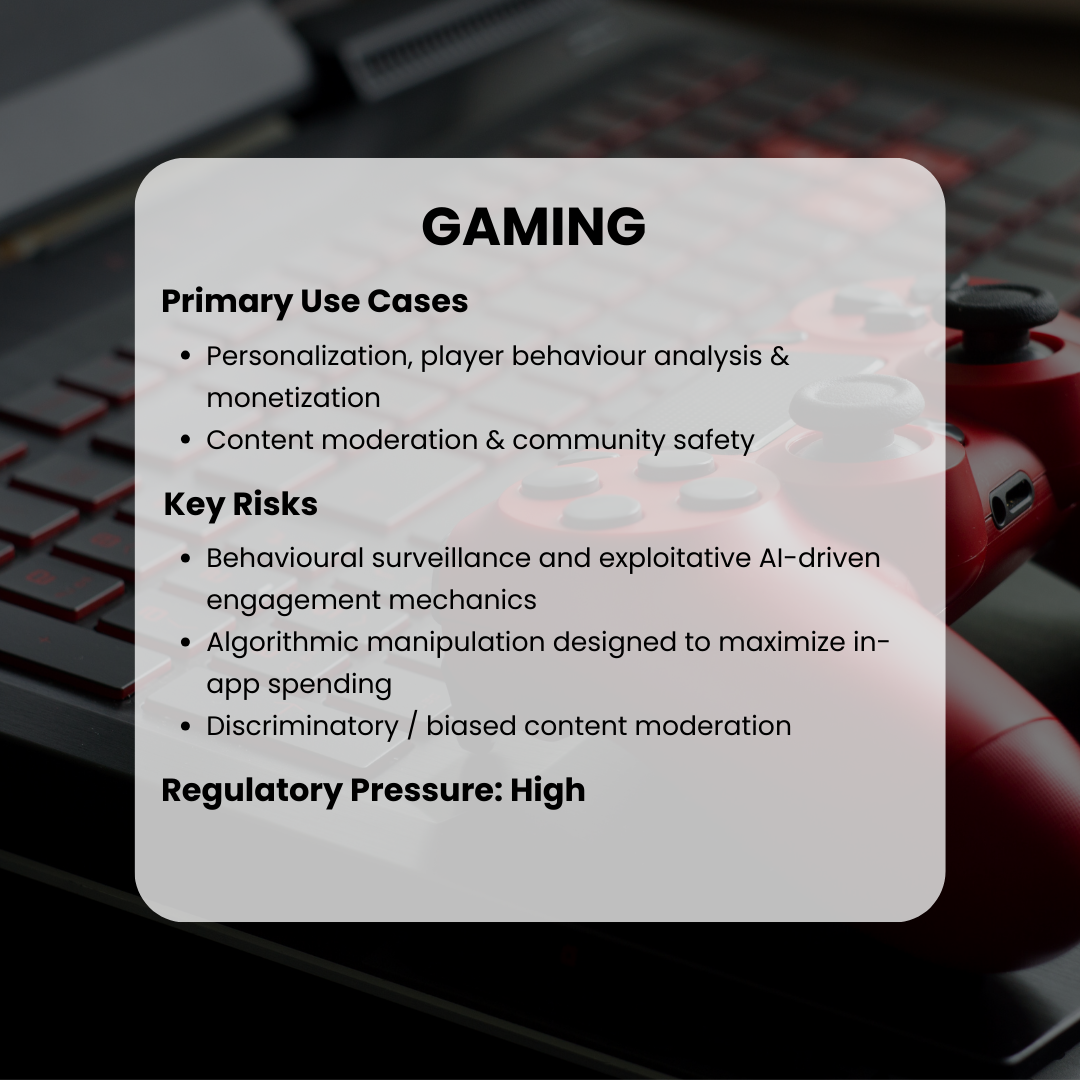
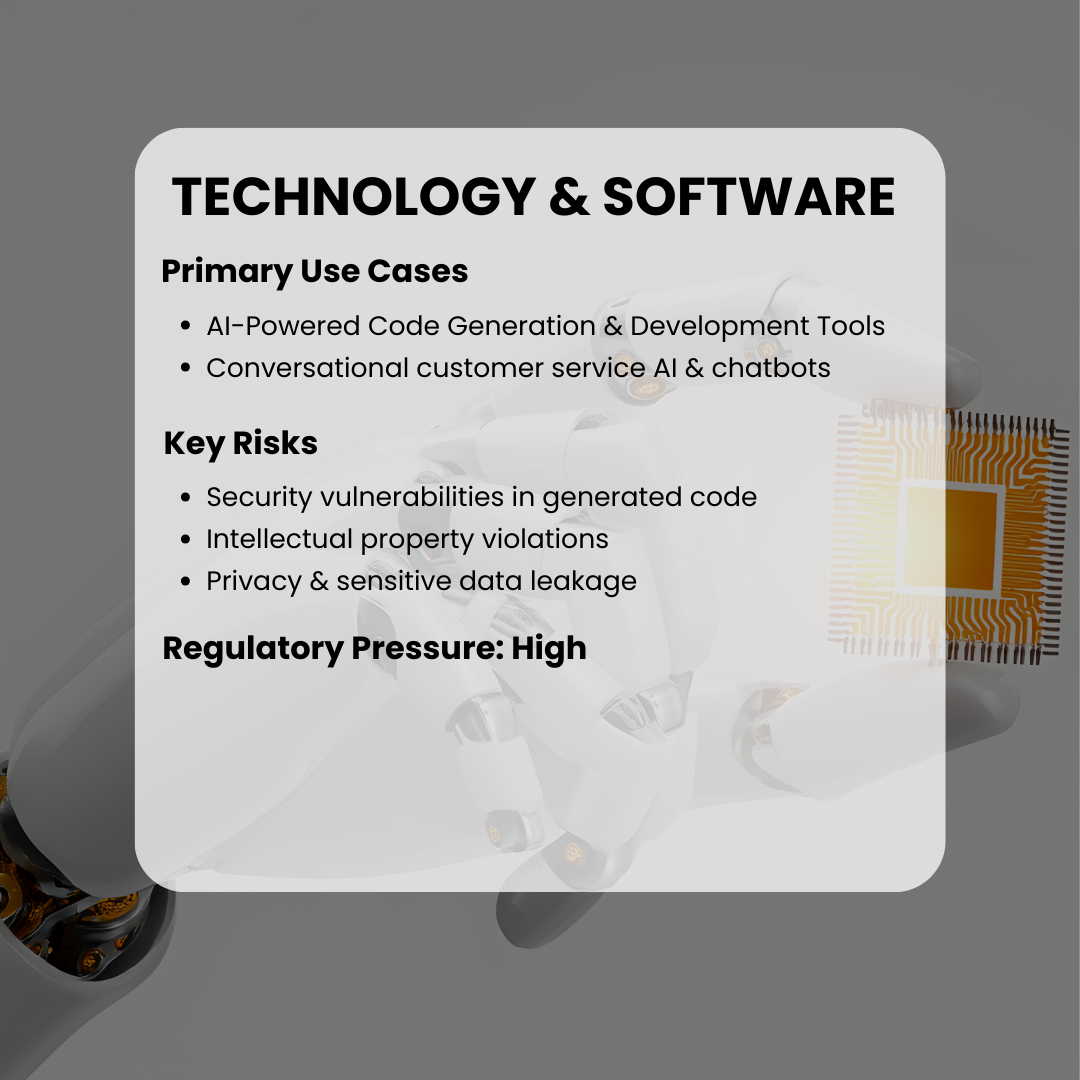
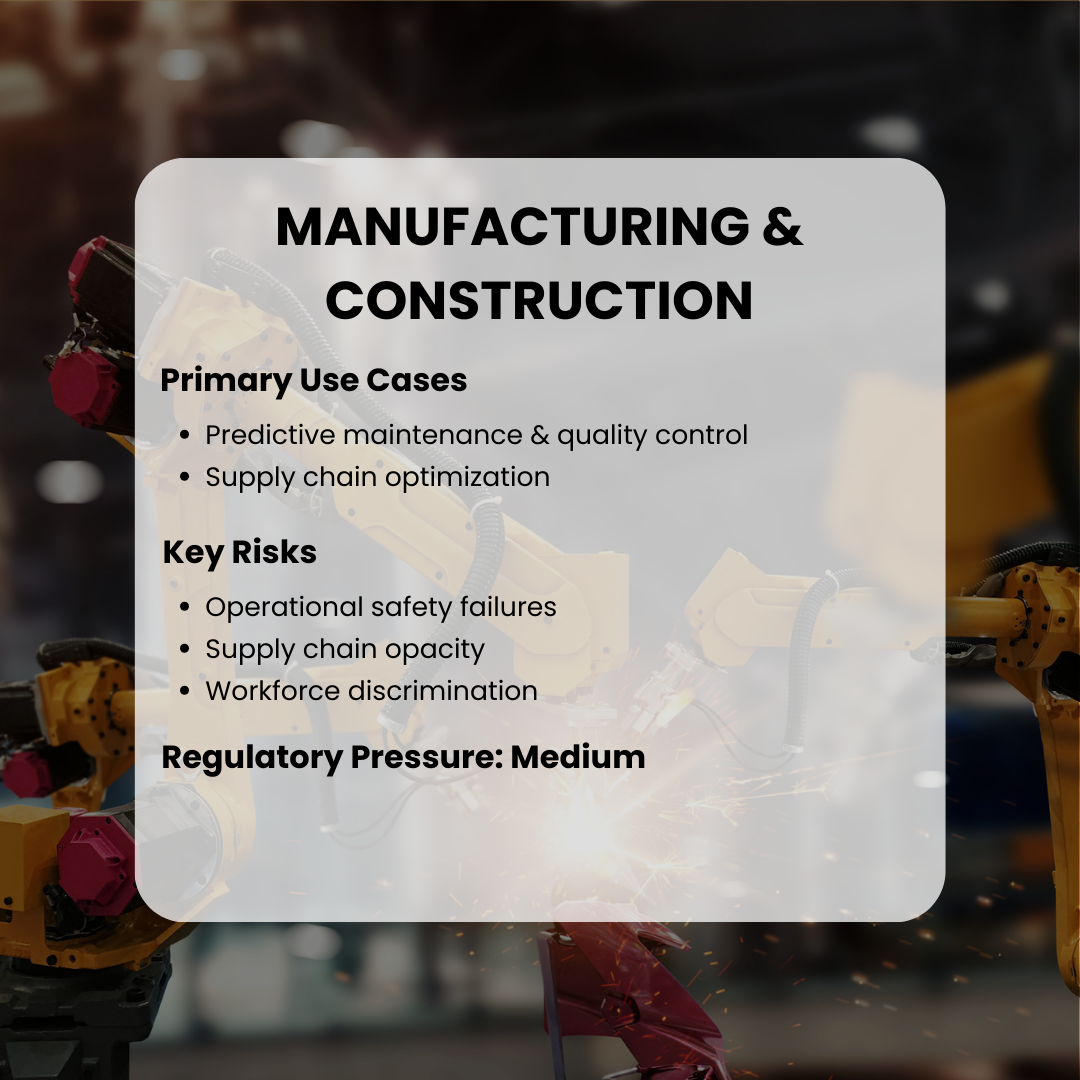
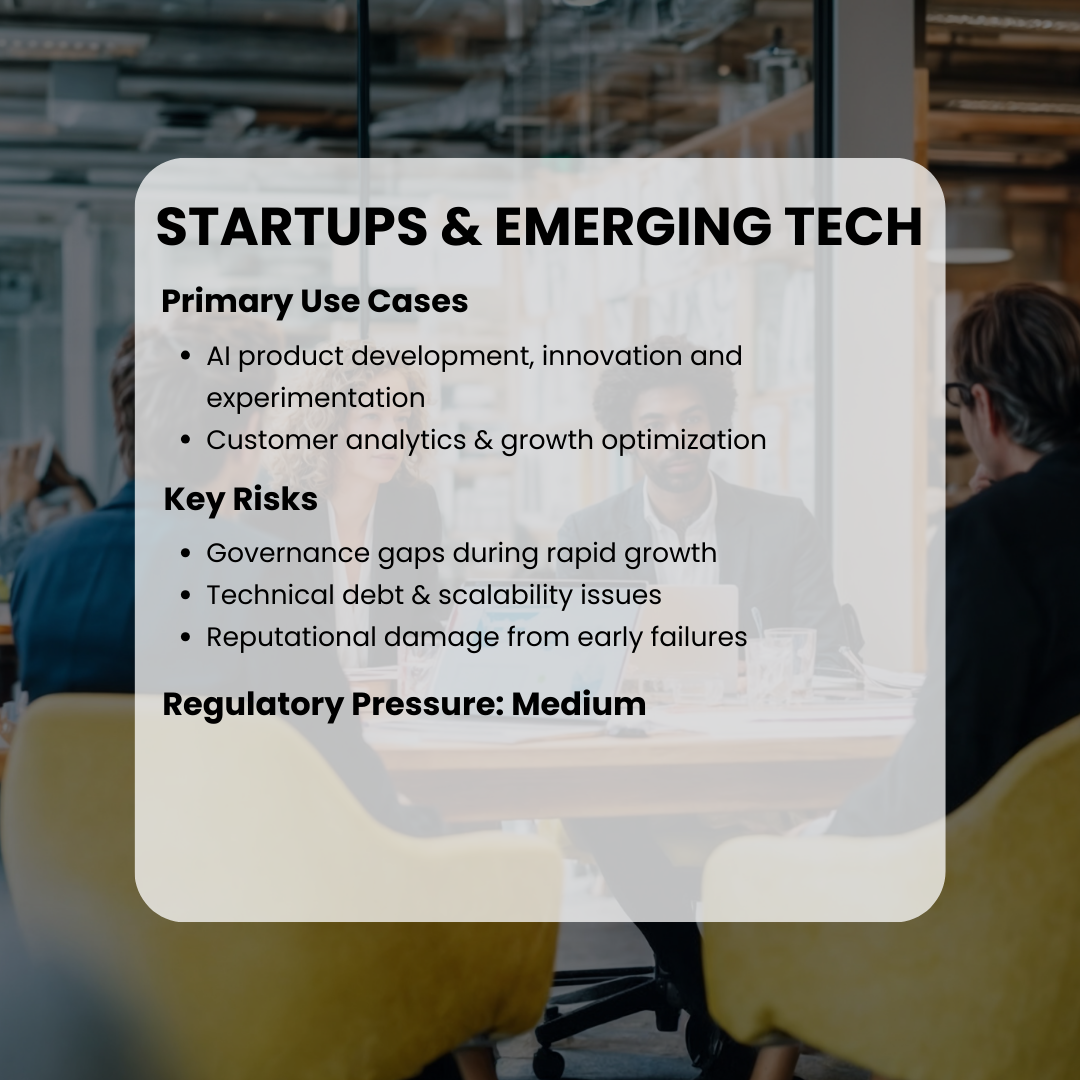
Industry SnapShot
AI governance can feel overwhelming, especially when the risks vary so much from one industry to the next.
These snapshots offer a simple, human-centered overview to help you make smarter, more confident decisions about managing AI responsibly.

Join Our AI Newsletter Series
Join the AI Governance Blueprint Series to get practical, executive-ready guidance on managing AI risk, vendor exposure, privacy obligations, and regulatory expectations before they become operational or legal problems. Each edition delivers real-world insights you can apply immediately to stay ahead of AI accountability requirements and make confident decisions as AI adoption expands across your organization.
Additional AI Governance Blueprint Resources
Frequently Asked Questions
-
AI governance is how an organization oversees the use of AI. It defines who makes decisions, how risk is managed, and how AI systems are monitored so they are used responsibly and lawfully.
-
AI governance matters because executives and boards remain accountable for AI outcomes. Clear governance reduces legal, regulatory, financial, and reputational risk while supporting safe innovation.
-
AI governance addresses risks such as bias, lack of transparency, privacy violations, security failures, and poor decision accountability. These risks can affect people, business outcomes, and regulatory compliance.
-
Responsibility typically sits with executive leadership and the board, supported by legal, risk, privacy, and technical teams. AI governance works best when roles and decision authority are clearly defined.
-
AI governance should be implemented before AI systems are widely deployed. Waiting until problems occur often leads to rushed decisions, higher costs, and increased risk.
-
No. Effective AI governance creates clear rules and approval paths. This reduces uncertainty and helps teams move faster without introducing unmanaged risk.
-
Any AI system that affects decisions, people, data, or business operations should be governed. This includes internal tools, customer-facing systems, analytics models, and third-party AI services.
-
An AI governance risk assessment is a structured review of how an AI system could create legal, ethical, operational, or reputational risk. The goal is to identify issues early and document decisions clearly.
-
AI governance and privacy overlap when AI systems use personal or sensitive data. Governance ensures privacy requirements are built into AI design, use, and oversight.
-
Yes. Smaller organizations often face higher risk due to limited controls. AI governance can be scaled to match the size and complexity of the organization.
-
AI Governance Consultants help organizations design oversight models, assess risk, define decision roles, and align AI use with business goals and regulatory expectations.
-
The first step is identifying where AI is already being used and who is responsible for it. From there, governance structures and risk controls can be put in place.