
Latest news and opinions from the Bamboo Team

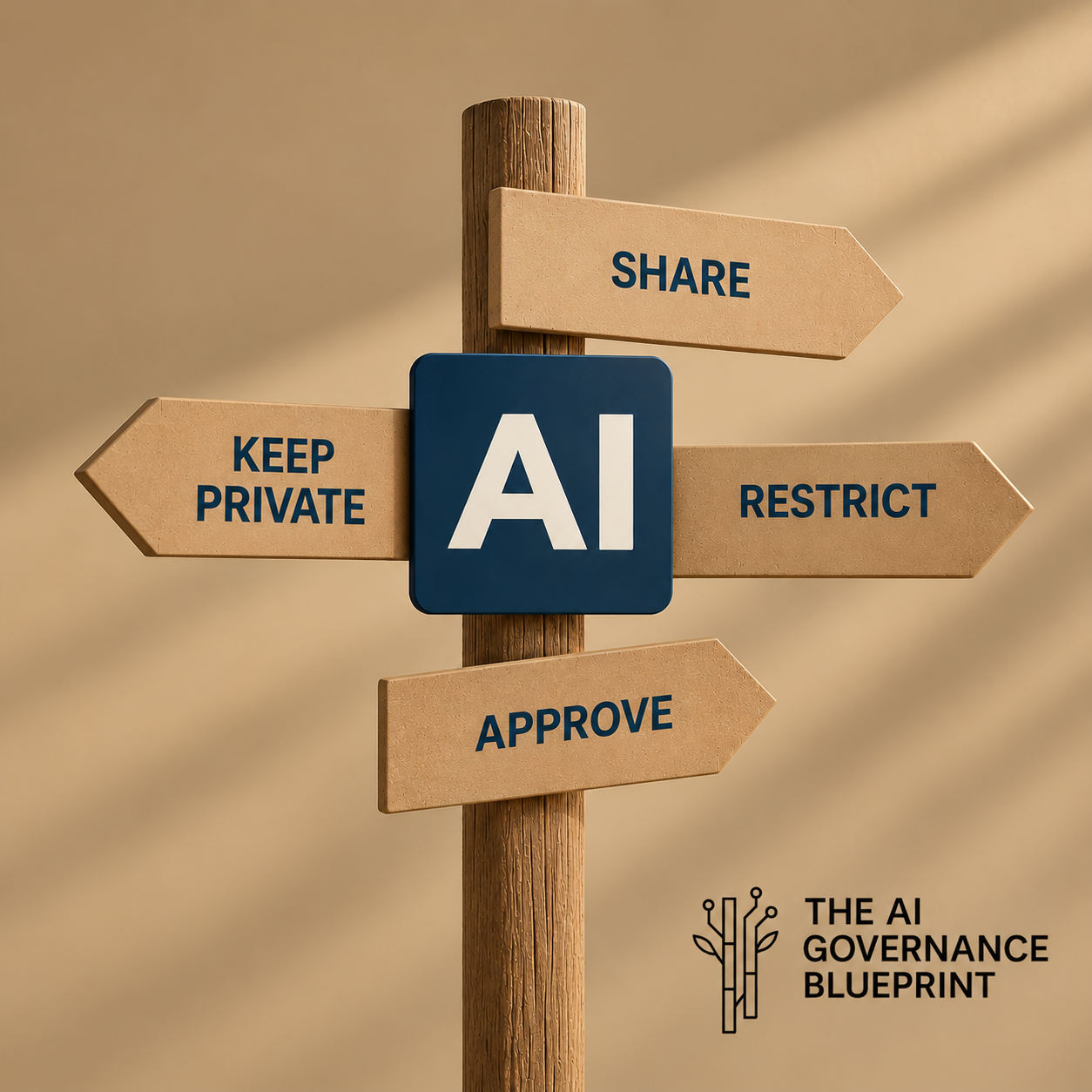
Data Boundaries for AI
A classification label tells you how to store information. Whether an AI system should be allowed to access, retrieve, or act on that information is a separate question, one most governance programs never ask. This article maps the four boundaries that actually decide what AI should reach: context, knowledge, decision, and trust, and shows how ordinary convenience quietly becomes exposure.
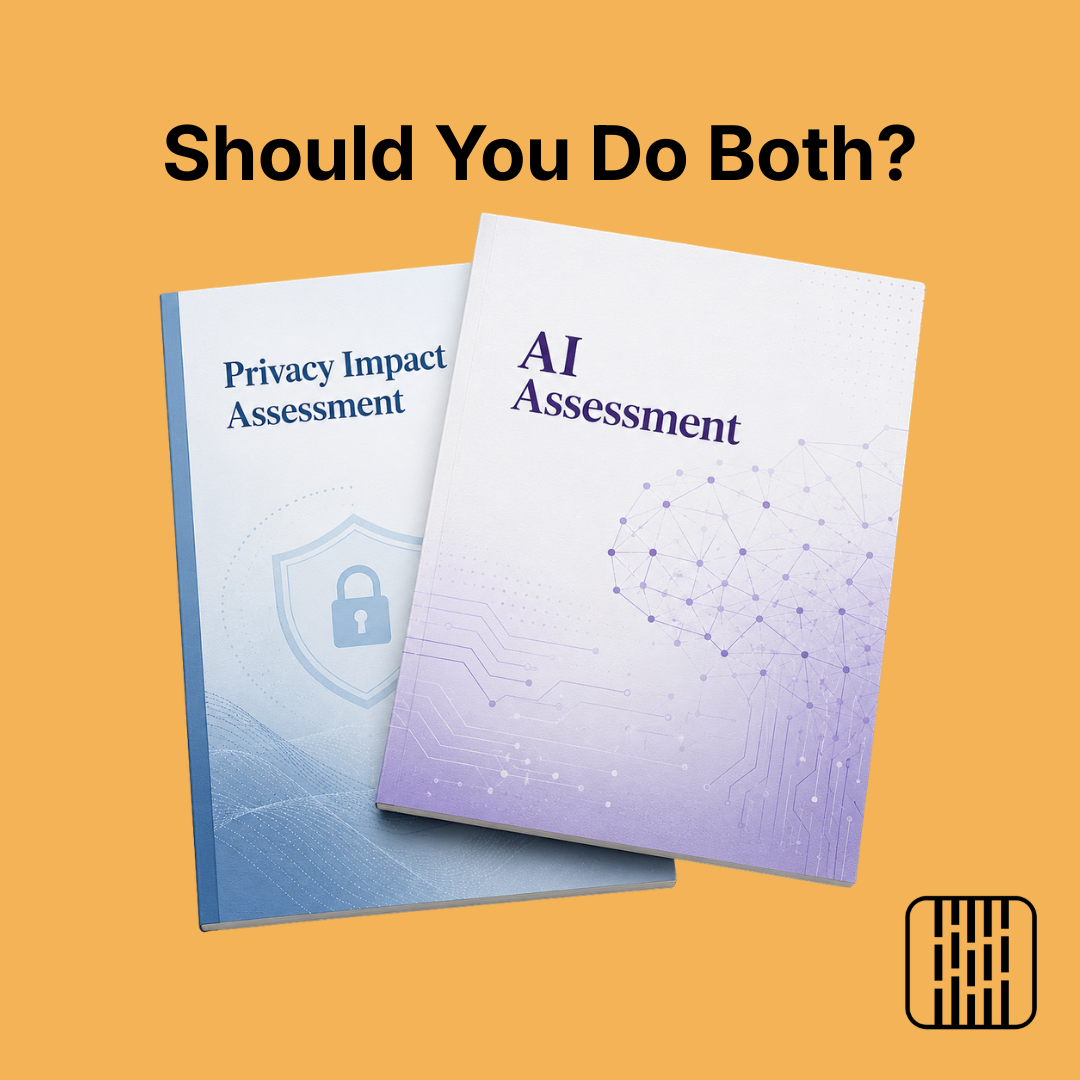
When Should an AI Assessment Be Part of Your PIA, and When Should It Stand Alone?
Privacy impact assessments were built for data flows, not algorithms. When an AI system goes beyond handling personal information and starts making decisions that affect people, a PIA alone won't cover the risk. Here's a practical framework for deciding which assessment your AI tools actually need.
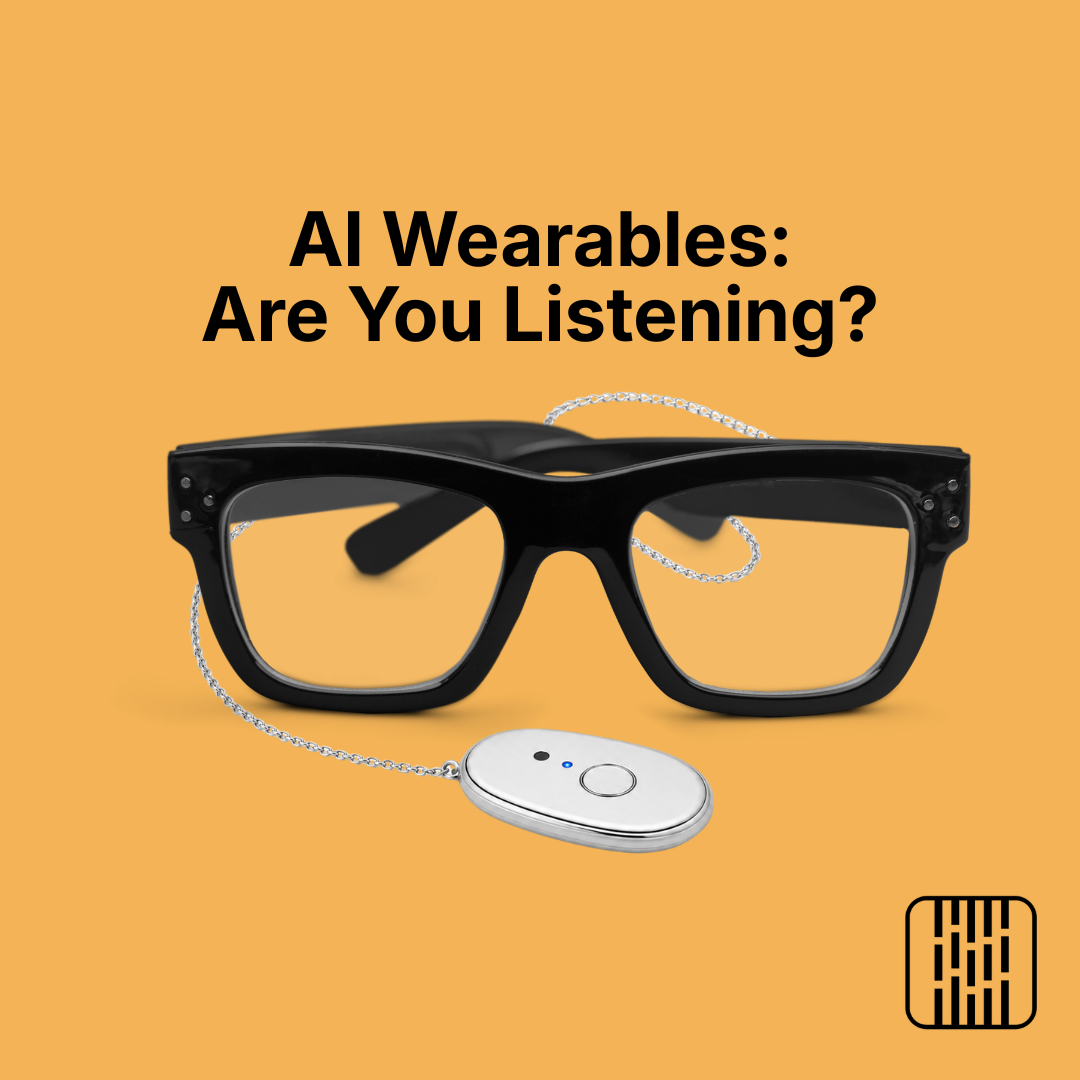
Employee-Owned AI Wearables at Work: A Privacy Problem Most Organizations Haven't Prepared For
Employee-owned AI wearables are creating a new workplace privacy problem. Smart glasses, AI pins, smartwatches, and always-listening devices can capture confidential conversations, client data, and company information without clear visibility or control from the organization.
Passed in the Dark: What Bill 97 Means for Ontario's Public Sector Privacy Landscape
Ontario's Bill 97 became law on April 24, 2026, and public sector institutions are already operating under a changed framework. New timelines, staged access rules, mandatory privacy impact assessments, and expanded breach reporting obligations are now in play across both FIPPA and MFIPPA. If your policies and procedures haven't been updated yet, the clock is running.

What PHIPA Decision 334 Means for Health Information Custodians and Their Agents
When the Information and Privacy Commissioner of Ontario issued its second Administrative Monetary Penalty under PHIPA, the most important detail wasn't the penalty itself. It was who received it, and who didn't. PHIPA Decision 334 makes one thing clear: how your organization responds to a privacy incident can matter just as much as the incident itself. Here's what every health information custodian needs to know.
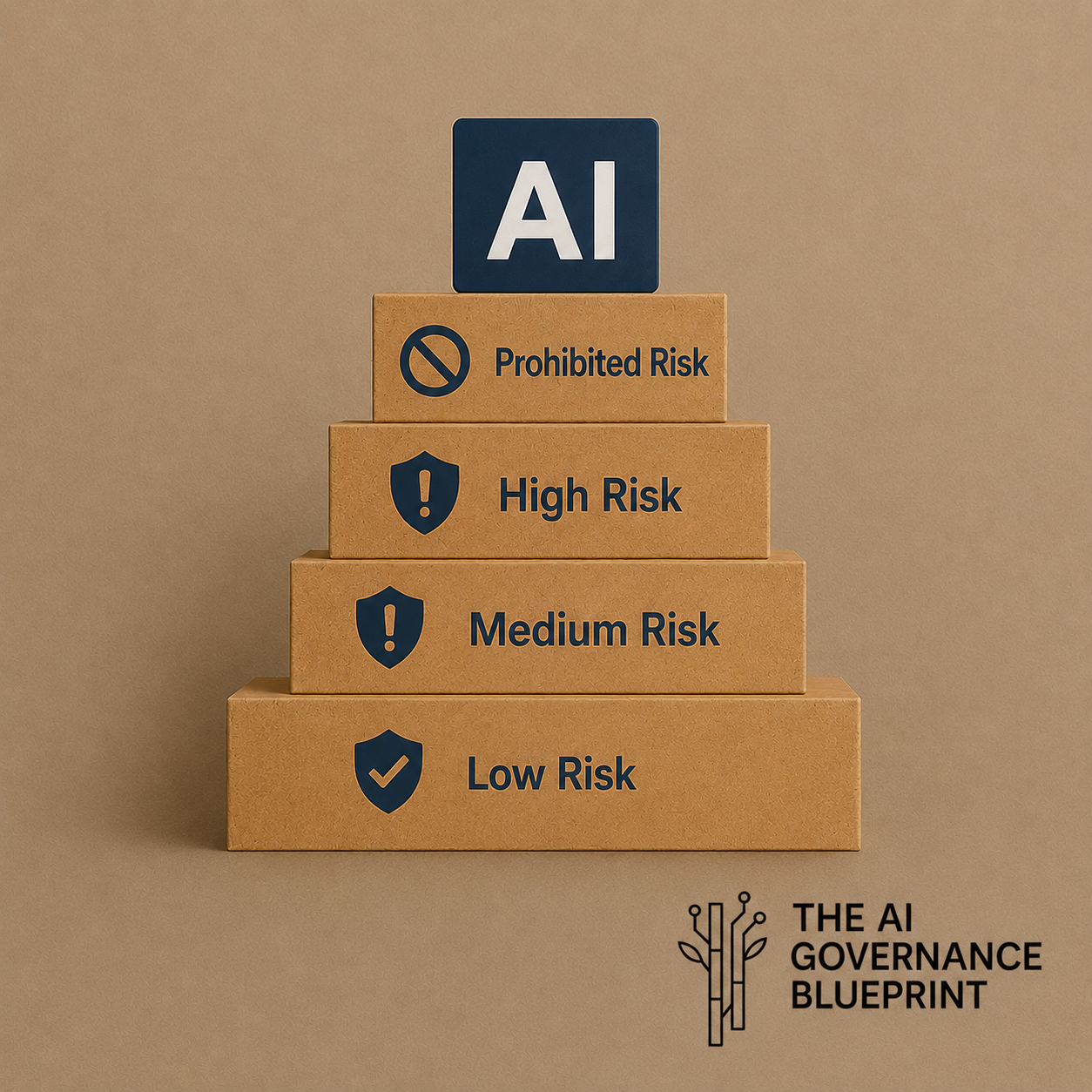
AI Risk Tiering: Not All AI Is Equal
Not all AI carries the same risk. A grammar tool and an automated underwriting system are not the same governance problem. This article covers the four dimensions that determine how much scrutiny an AI use case actually demands, and what proportionate control mapping looks like across four risk tiers.

Data Subject Access Requests in Canada: PIPEDA, Law 25 and GDPR
Do you have a plan when it comes to Data Subject Requests (DSRs)? The frequency that I hear “what is a DSR” or “what is a data subject” is astounding, particularly for companies that are business-to-consumer (B2C). This leads me to think that leaders in these organizations are not prepared for a very large and very public compliance gap in their businesses.

AI Scribes in Healthcare: Regulatory Expectations and Privacy Considerations
AI scribes are rapidly entering healthcare, offering efficiency gains but introducing new privacy, accuracy, and governance risks. The Information and Privacy Commissioner of Ontario makes it clear that PHIPA obligations still apply. This article outlines key risks, regulatory expectations, and what healthcare organizations must do to use AI scribes responsibly.
Shadow AI Detection: What AI Is Quietly Running Inside Your Organization?
Most organizations run more AI systems than they realize. This article explains what Shadow AI is, where hidden AI tools appear within organizations and across the SaaS platforms, APIs, and productivity software currently in use, and how Shadow AI detection helps organizations uncover and manage them.

The Practical AI Governance Playbook for Organizations Using Off-the-Shelf AI Tools
Many organizations assume AI governance only applies if they build their own models. In reality, most risk comes from off-the-shelf and embedded AI tools. This practical playbook explains where third-party AI risk actually lives and how to implement real governance controls without slowing teams down.
4 Essential Privacy Tools Every Canadian In-House Counsel Needs in 2026
Learn how in-house legal counsel can leverage 4 essential privacy tools for Canadian compliance with PIPEDA, Law 25, and provincial privacy laws.
The Hidden Privacy Risks of “Buy Now, Pay Later” Apps
Buy Now, Pay Later (BNPL) apps offer convenient payments but pose privacy risks. BNPL providers collect and share personal data, often with limited transparency. Retailers must ensure privacy compliance and clear policies to protect consumer trust.
The PowerSchool Breach: A Wake-Up Call for Vendor Management in Canadian Privacy Programs
The PowerSchool breach exposed sensitive personal data of millions in Canada, highlighting the urgent need for strong vendor management and privacy accountability. School boards must ensure contracts, oversight, and incident response plans meet Canadian privacy laws to protect student information and maintain trust.

When Personalization Breaks Privacy: Lessons from the TikTok Decision
Discover what the Office of the Privacy Commissioner of Canada’s 2025 decision on TikTok means for Canadian businesses using personalization, AI, and data analytics. This article breaks down how TikTok’s practices violated PIPEDA, the new compliance expectations for consent and transparency, and actionable steps for building privacy-first personalization strategies. Learn why protecting children’s data, conducting Privacy Impact Assessments, and offering clear, granular consent are now essential for Canadian organizations aiming to stay compliant and earn consumer trust.

Who Says Size Matters? What PHIPA Decision 298 Teaches Businesses About Operationalizing Privacy
This article explores Ontario’s landmark PHIPA Decision 298, where the Information and Privacy Commissioner issued its first administrative monetary penalty, highlighting the critical importance of operationalizing privacy. Through a detailed comparison between Windsor Regional Hospital and a small clinic, WE Kidz, the article demonstrates how documented policies, training, and breach response protocols can protect organization, even in the face of a privacy breach. With practical insights for businesses of all sizes, this post emphasizes that privacy compliance is not about perfection, but about taking reasonable steps and showing accountability. Learn how even small entities must meet PHIPA standards and how Bamboo Data Consulting can help you build a resilient, compliant privacy program.

A Strategic Guide to Managing AI Vendor Relationships
In today’s AI-driven business environment, managing AI vendors requires more than traditional procurement; it demands a strategic, adaptive approach. As AI systems evolve in real time, organizations must shift from static contracts to dynamic partnerships that address algorithmic bias, data ownership, and regulatory compliance under frameworks like the EU AI Act and NIST AI RMF. This blog post introduces a four-phase lifecycle for AI vendor management, covering strategic sourcing, flexible contracting, continuous governance, and secure offboarding. Whether you're working with generative AI startups or enterprise platforms, this Guide helps businesses mitigate risk, optimize performance, and unlock long-term value.